Understanding Ownership: The Philosophy Behind Our Possessions
Ownership is a multifaceted concept that transcends simple possession; it delves into deep philosophical inquiries regarding our relationship with material objects. At its core, the act of owning something can evoke feelings of security and identity, but it can also lead to dependence and emotional attachment. This duality poses an intriguing question: do we truly own our possessions, or do they possess us?
The emotional implications of ownership often manifest in our day-to-day lives. We acquire items not just for their utility but for the significance they hold—such as nostalgia, connection, or status. These associations can lead to a profound attachment, making it challenging to consider parting with them. During times of crisis, this attachment can cloud our judgment, potentially hindering our ability to make rational decisions regarding preparedness. When prioritizing what to keep or discard, feelings of ownership can create unnecessary barriers that complicate the process of planning for emergencies.
Moreover, the societal constructs surrounding ownership can profoundly influence our beliefs and behaviors. In many cultures, personal possessions signify success and stability, further reinforcing the notion that ownership equates to self-worth. This societal pressure can lead individuals to accumulate more than they need, fostering a cycle where one believes that having more possessions equates to a more secure existence. However, this mindset can be detrimental, particularly in crisis situations where fluidity and adaptability are paramount.
In reflecting on our relationship with ownership, it is crucial to assess how deeply held beliefs about possessions affect decision-making, especially in unpredictable times. A more mindful approach to ownership may enable individuals to differentiate between what they possess and what possesses them, ultimately fostering greater resilience in the face of uncertainty.
Assessing Your Safety Zone: Evaluating Your Current Living Situation
Understanding the safety of your living environment is crucial for preparedness and resilience, particularly in the face of natural disasters. Start by evaluating the local geography of your area. Geographic features such as hills, rivers, and proximity to the coast can significantly affect your vulnerability to disasters such as floods, storms, or wildfires. A comprehensive assessment entails mapping out any potential hazards that may threaten your safety and evaluating how likely they are to occur in your region.
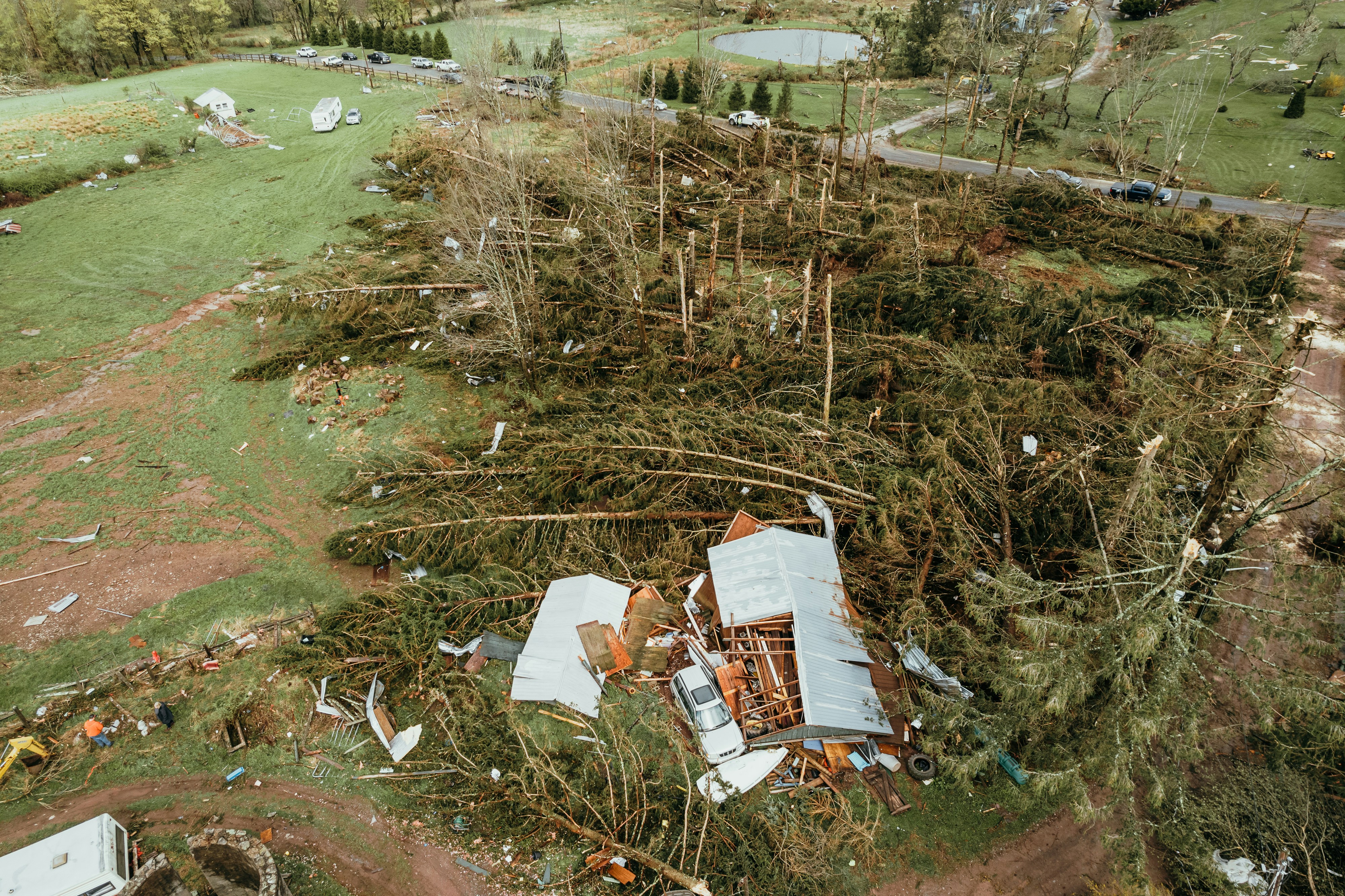
Next, it is essential to consider the risks associated with local natural disasters. For instance, if you live in a coastal region, your home may be at risk for hurricanes or storm surges. Alternatively, states prone to earthquakes or tornadoes necessitate different preparedness strategies. Take the time to research historical data on disasters in your area, which can provide insight into the frequency and severity of such events. This knowledge may guide necessary adjustments to your living situation.
Additionally, availability of essential resources plays a pivotal role in assessing your safety zone. During emergencies, access to food, water, and shelter can become extremely limited. Evaluate your proximity to grocery stores, water sources, and community emergency services. Formulating a disaster kit that includes non-perishable food, potable water, and medical supplies is vital. It’s also advisable to familiarize yourself with local evacuation routes and shelter locations, ensuring you and your family know how to act quickly if an emergency arises.
This critical evaluation of your living situation can guide your readiness for potential emergencies. A clear understanding of local risks and resource availability empowers you to take steps to enhance your safety and resilience.
Building Your Bug Out Bag: Essential Supplies and Creating a Plan
In an unpredictable world, having a bug out bag prepared can be a critical aspect of disaster readiness. A well-stocked bug out bag—often referred to as a BOB—serves as your survival kit during emergencies, ensuring that you are equipped with the necessary supplies to sustain yourself when the need arises to evacuate your home.
The essential supplies to include in your bug out bag should cover various needs: food, water, shelter, first aid, and tools. Start with a water filtration system to ensure access to clean drinking water, as hydration is paramount during emergencies. Non-perishable food items, such as energy bars or dehydrated meals, will provide necessary sustenance. Additionally, a lightweight yet durable tent or tarp can offer protection from the elements.
First aid supplies are essential; include bandages, antiseptics, pain relievers, and any personal medications. A multi-tool can enhance your capabilities, offering various tools for different situations. Remember to pack a reliable flashlight with extra batteries, as well as a fire-starting kit, which can help in building fires for warmth or cooking.
Customization of your bug out bag according to individual needs is crucial. Different circumstances may require diverse items, such as clothing tailored to your local climate, personal hygiene products, or even comforting items like a cherished book or photographs. Tailoring your bug out bag ensures that not only are you ready for unforeseen events, but you also maintain a sense of normalcy in chaotic situations.
Moreover, having a clear evacuation plan is equally essential, especially for individuals residing in at-risk areas. This plan should designate evacuation routes, meeting points for family members, and alternative locations. Conducting practice drills will enhance familiarity with the plan, reducing stress and confusion during an emergency. When disaster strikes, being prepared with both a bug out bag and a thorough plan can make a significant difference in ensuring safety and survival.
Finding Your Ideal Bug Out Location: Strategies for Securing Safety
When considering a bug out location, it is crucial to evaluate various environmental factors that contribute to safety, sustainability, and long-term resilience. A key decision involves choosing between rural and urban settings. Rural locations often provide lower population density, which can enhance safety during emergencies. Additionally, they may offer greater access to natural resources, such as clean water and arable land, both essential for self-sufficiency. Conversely, urban areas may present advantages in terms of accessibility to medical facilities and community support networks. Weighing these pros and cons is vital when selecting a bug out location.
Access to natural resources should be a pivotal criterion in your decision-making process. Locations near freshwater sources, forests, and fertile land can facilitate a sustainable lifestyle through activities such as farming, foraging, and hunting. Not only do these resources increase the likelihood of survival during adverse conditions, but they also foster a connection with nature and promote mental well-being. Consequently, a comprehensive assessment of local ecosystems can guide your choice in finding an environment that aligns with your preparedness goals.
Distance from coastal and disaster-prone areas is another significant factor. Regions prone to natural disasters, such as hurricanes, earthquakes, or floods, should be avoided in favor of safer inland options. A buffer zone between yourself and these vulnerabilities is a prudent strategy for ensuring long-term safety. Furthermore, establishing a bug out location that is within a reasonable distance from your primary residence allows for easier access during a crisis, enhancing your overall preparedness plan.
Ultimately, selecting a bug out location is not merely about immediate safety; it is an investment in future resilience. Those who prioritize rural settings, proximity to resources, and distance from risk-prone areas are more likely to foster a thriving, sustainable lifestyle. This thoughtful approach to location will arm individuals with the necessary tools to navigate potential challenges while securing peace of mind.
Discover more from EAGLE HORIZON REPORT
Subscribe to get the latest posts sent to your email.