Photo by Pok Rie on <a href="https://www.pexels.com/photo/aerial-photo-of-flooded-village-14823608/" rel="nofollow">Pexels.com</a>
The Dynamic Interplay of Solar Activity and Earth’s Climate
The relationship between solar activity and Earth’s climate is intricate and multifaceted. Solar radiation is a primary driver of Earth’s climate, influencing temperature and weather conditions as variations occur within the solar output. Periodic fluctuations in solar radiation, such as those observed during the solar cycle, lead to consequential changes in temperature and atmospheric dynamics on Earth.
One of the most notable phenomena associated with solar activity is the occurrence of solar flares and sunspots. Generated by the Sun’s magnetic field, solar flares release significant bursts of energy, while sunspots represent cooler areas on the solar surface associated with magnetic flux. These variations can have a cascading effect on terrestrial weather patterns.
Additionally, the role of magnetic pole shifts cannot be overlooked. Changes in Earth’s magnetic field, influenced by solar activity, may affect the planet’s atmospheric systems. This interplay can lead to alterations in storm patterns, precipitation, and even temperature extremes. Furthermore, the alignment of solar phenomena with cosmic events brings additional complexity to this dynamic. For example, significant cosmic rays have been observed to correlate with periods of heightened solar activity, affecting the ionization in the Earth’s atmosphere.
While understanding these processes, it is crucial to approach them without attributing extreme weather events solely to human-induced climate change. The interaction between solar activity and Earth’s climate encompasses natural cyclical patterns and cosmic influences. As research continues to unveil the depths of this correlation, it becomes undeniable that solar phenomena have long informed the climatic variations experienced on our planet.
Extreme Weather Events: A Record Year in Review
The year 2025 witnessed an alarming increase in extreme weather events globally, resulting in catastrophic impacts on communities and economies. Among the most significant incidents were the devastating wildfires in Los Angeles, which ravaged thousands of acres, leading to widespread destruction of property and the displacement of numerous residents. The wildfires, exacerbated by soaring temperatures and prolonged drought conditions, highlighted a concerning trend; as climate change continues, the frequency and intensity of such events are projected to escalate.
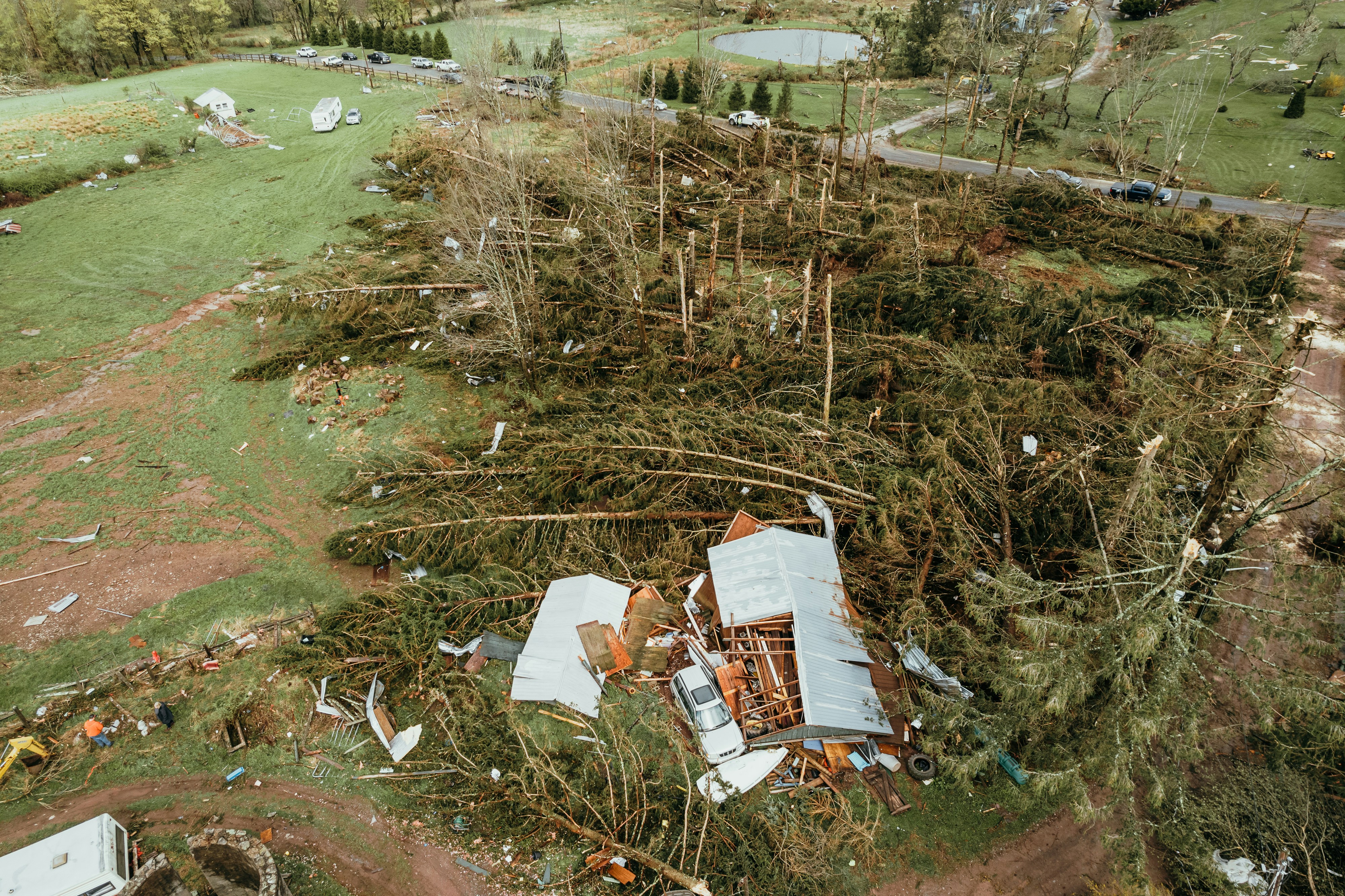
In addition to the Los Angeles wildfires, the central United States experienced an unprecedented tornado outbreak. This series of tornadoes moved across several states, causing extensive damage to infrastructure and homes. The National Weather Service reported that these tornadoes had recorded wind speeds exceeding 200 miles per hour, rendering them some of the most powerful ever documented. Tragically, these tornadoes were responsible for significant loss of life, further emphasizing the urgent need for improved disaster preparedness and response strategies.
Furthermore, 2025 saw a remarkable series of billion-dollar severe storm events across the country. These storms not only led to financial losses amounting to billions but also strained emergency services and resources. According to the National Oceanic and Atmospheric Administration (NOAA), the cumulative economic impact of these extreme weather patterns represents a stark increase compared to previous decades. Over the past 50 years, the frequency of billion-dollar disaster events has skyrocketed, prompting policymakers to re-evaluate environmental policies and emergency management protocols.
In light of these alarming statistics, it is clear that the implications of extreme weather events extend far beyond immediate physical damage. As communities grapple with the aftermath of such calamities, a cohesive approach towards enhancing resilience and adapting to climatic changes becomes crucial for minimizing future risks.
Cosmic Influences: The Galactical Surge Theory
One of the most captivating theories regarding the interplay between cosmic events and terrestrial weather pertains to what is known as the Galactical Surge Theory. This hypothesis posits that invisible forces emanating from the galactic core of the Milky Way may significantly influence solar activity. Recent advancements in astrophysical research have highlighted the role that cosmic rays play in shaping not only the conditions of our sun but also the atmospheric behaviors observed on several planetary bodies within our solar system.
Cosmic rays, which are high-energy particles originating from various astronomical phenomena, have been shown to modulate cloud formation on Earth. The interaction between these cosmic rays and the Earth’s atmosphere can lead to changes in the ionization levels, which consequently affects climate patterns and could result in extreme weather events. The influence of radiation from the galactic core could, therefore, provide insight into the underlying mechanisms that govern solar cycles, further unveils an intricate relation between cosmic forces and atmospheric dynamics.
Moreover, examining the atmospheres of other planets sheds additional light on this cosmic connection. For instance, Jupiter and Uranus exhibit atmospheric phenomena that reflect fluctuations in their magnetic fields and weather patterns, suggesting potential parallels with the influences detected on Earth. These planets’ shifting jet streams and modified weather systems raise questions about the extent to which galactic radiation might equally affect their atmospheric behavior. By investigating these similarities, scientists may deepen their understanding not only of our solar system but also of the broader cosmic influence affecting planetary climatic conditions.
In exploring the Galactical Surge Theory, it becomes evident that further research into cosmic rays and their interactions could unveil new connections between solar activity and extreme weather patterns on Earth. Such investigations appear pivotal in grasping the intricacies of how our planet’s atmosphere is woven into the fabric of the cosmos, emphasizing our need to look beyond terrestrial phenomena when considering climate change and extreme weather events.
Trends and Consequences: The Future of Earth’s Climate
The past few decades have witnessed a notable escalation in the frequency and intensity of extreme weather events, a trend that cannot be ignored when considering the future of Earth’s climate. This increase raises critical questions about the implications of these shifts in climate patterns. While factors related to industrial activities and greenhouse gas emissions are widely discussed, it is essential to also explore how cosmic influences, such as shifts in solar activity, interplay with natural climatic cycles.
Recent studies have indicated a complex relationship between solar variability and climate phenomena. The potential correlation suggests that the sun’s output and its magnetic activities may contribute to atmospheric changes, thereby influencing weather patterns on Earth. Consequently, the future may hold an even greater occurrence of extreme weather events. Understanding these correlations is crucial for adequate climate preparedness.
The consequences of these shifts could manifest in various ways. For instance, regions historically characterized by mild climates may experience unprecedented weather extremes, while areas previously struck by sporadic disasters might face an onslaught of more frequent events. The evolving nature of these climate events calls for robust monitoring systems to ensure societies can adapt effectively.
Furthermore, discussions surrounding climate resilience have gained prominence. Communities must prioritize preparedness plans that encompass both short-term emergency responses and long-term adaptation strategies, considering the cyclical nature of natural climate behavior in conjunction with cosmic contributions. By enhancing infrastructure, updating policies, and fostering public awareness, societies can build resilience against future challenges posed by extreme weather.
In conclusion, acknowledging the trends and consequences of extreme weather events in the context of both natural cycles and solar activity is vital for formulating effective responses to the changing climate. Only through a comprehensive understanding of these dynamics can we hope to navigate the uncertainties that lie ahead in Earth’s climatic future.
Discover more from EAGLE HORIZON REPORT
Subscribe to get the latest posts sent to your email.