Photo by Edouard Garner on <a href="https://www.pexels.com/photo/majestic-bald-eagle-in-flight-against-blue-sky-30743466/" rel="nofollow">Pexels.com</a>
The Background of Conflict: Iran’s Radical Islamic Regime
The political landscape of Iran has undergone significant transformation since the fall of the Shah in 1979, culminating in the establishment of the Islamic Republic under the leadership of Ayatollah Khamenei. This regime has instilled a framework characterized by anti-Western ideologies, which has shaped Iran’s domestic and foreign policies. Following the Iranian Revolution, the desire to overthrow the monarchy was fueled by various factors, including economic dissatisfaction, political repression, and a broader societal craving for reform.
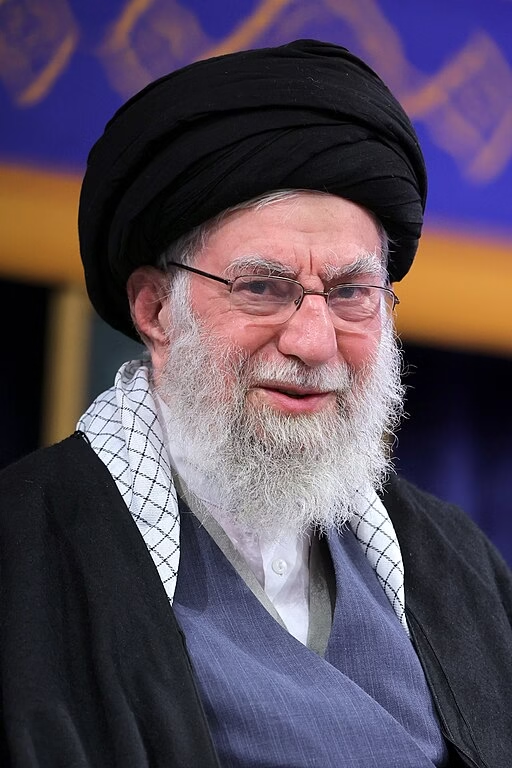
Once in power, the new regime quickly consolidated its authority, implementing a strict interpretation of Islamic law, which has since permeated every aspect of Iranian society. The Iranian government, under Khamenei’s rule, has adopted a confrontational approach towards the West, particularly the United States, which it views as a primary adversary. This animosity is often showcased by its involvement in state-sponsored terrorism, supporting factions and groups throughout the Middle East that align with its radical ideology.
The impact of this regime extends beyond Iran’s borders, affecting regional dynamics and international relations. The ideological framework established by Khamenei has fueled proxy conflicts in countries such as Syria, Lebanon, and Yemen, leading to a significant threat to stability in the region. Additionally, internal dissent within Iran has been met with systematic oppression; government crackdowns often target peaceful protestors and activists. The overall climate of fear and repression has stifled free expression, leaving many Iranians disillusioned with their leadership.
As the world observes these developments, Iran’s radical Islamic regime continues to pose complex challenges, shaping its future and influencing global security strategies. Understanding this historical context is vital for comprehending the intricate web of conflicts that define Iran’s current role on the international stage.
Operation Epic Fury: The Strategic Military Intervention Operation Midnight Hammer
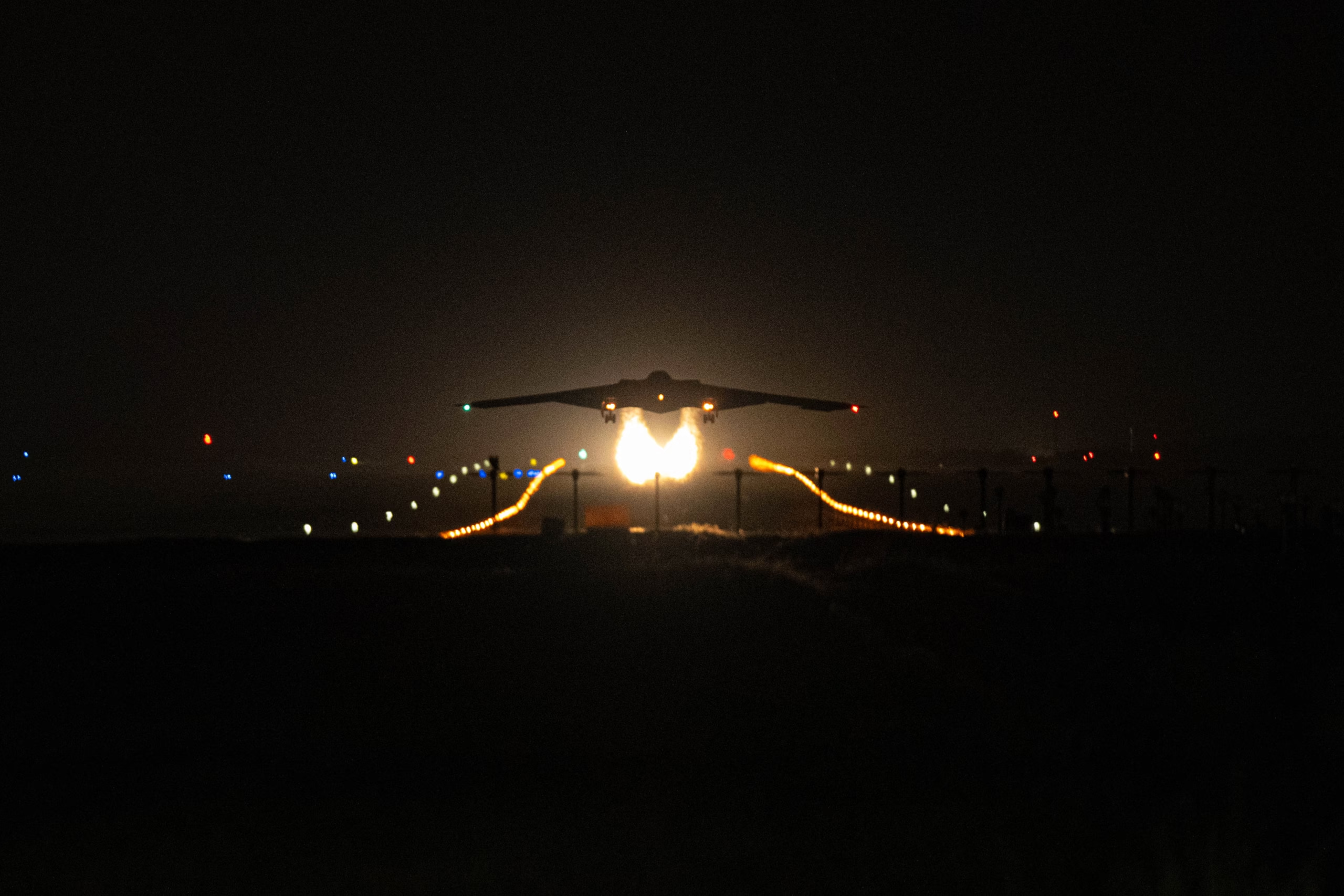
Operation Midnight Hammer was a U.S. military operation conducted on June 22, 2025, targeting three key Iranian nuclear facilities: Fordow, Natanz, and Isfahan.
The strike, authorized by President Donald Trump, involved seven B-2 Spirit stealth bombers carrying 14 GBU-57 Massive Ordnance Penetrator (MOP) bunker-buster bombs, along with over 125 U.S. aircraft and a guided-missile submarine launching Tomahawk cruise missiles.
Operation Epic Fury: The Strategic Military Intervention
Operation Epic Fury marks a significant military intervention led by the United States and Israel, targeting key Iranian military assets. This operation, initiated in response to heightened tensions surrounding Iran’s nuclear ambitions and its regional influence, represents a pivotal moment in the ongoing geopolitical struggle between these nations. The decision to execute such a strike was influenced by numerous factors, chiefly Iran’s continued advancements in nuclear technology and its support for militant groups across the Middle East.
This strategic military intervention involved precision airstrikes aimed at critical installations, which are designed to degrade Iran’s military capabilities and deter further aggression. Utilizing advanced military technology, the coalition forces aim to minimize collateral damage while maximizing the impact on Iran’s operational readiness. The operation also entailed extensive intelligence gathering, ensuring that targets are strategically selected based on their significance to Iran’s military infrastructure.
The military actions operations are still ongoing, reactions from the Iranian regime and its allies are fervent and pronounced. In response to the U.S. and Israel’s joint military strikes, Iran launched “Operation True Promise 4”, a coordinated wave of ballistic missiles and drones targeting U.S. and Israeli military assets across the Middle East.
Targets of Iranian retaliation included U.S. bases in multiple Gulf countries—Bahrain, Qatar, Kuwait, Jordan, and the UAE—with the Islamic Revolutionary Guard Corps (IRGC) specifically naming the U.S. Navy’s Fifth Fleet headquarters in Bahrain and other strategic installations. Iran also fired missiles toward Israel, triggering air-raid sirens across the country. reflecting the regime’s commitment to its perceived sovereignty and regional standing. Additionally, allied nations expressed their concerns over the escalation of military conflict, emphasizing the plight of civilians caught in the crossfire. Such responses not only illustrate the volatile nature of the region but also highlight the complexities faced by the international community in dealing with Iran.
The implications of Operation Epic Fury are profound, as it raises critical questions about the trajectory of U.S.-Iran relations. Whether this operation will serve as a decisive move towards regime change or merely escalate existing tensions is yet to be seen. Analyze it within the broader context of international diplomacy and military strategy, the stakes have never been higher, and the ripple effects will undoubtedly influence regional dynamics for years to come.
Domestic Perspectives: The Iranian People and Their Longing for Change
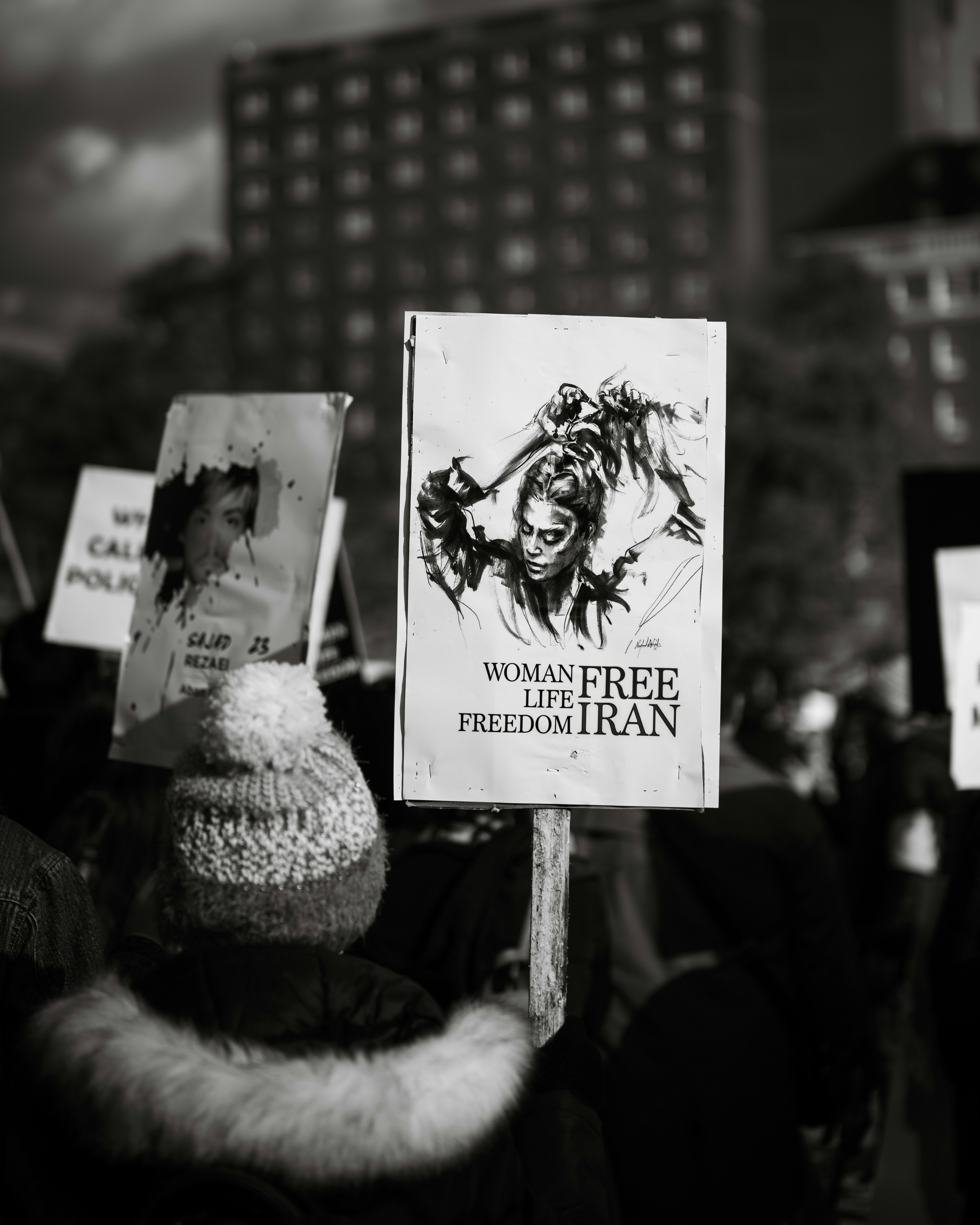
The Iranian populace has long been characterized by a complex relationship with their government, often oscillating between resentment and a deep yearning for change. This sentiment has intensified in recent years amid mounting socio-economic struggles, political repression, and a lack of fundamental freedoms. Protests have become a prevailing mode of expression among the citizens of Iran, fueled by frustrations over governmental policies and the systemic denial of their rights. Demonstrations against the regime have gained visibility not only domestically but also on the global stage, highlighting the widespread discontent among various demographics within the country.
As the Iranian people voice their demands for a transition towards democracy, they have called upon the international community for support, appealing for recognition and assistance in their quest for freedom. These appeals reflect a growing recognition that their struggle is not solely an internal issue, but one that warrants global attention. The protests often feature slogans emphasizing justice and freedom and have drawn substantial participation from youth, women, and disenfranchised communities, signaling a potent desire for reform across various sections of society.
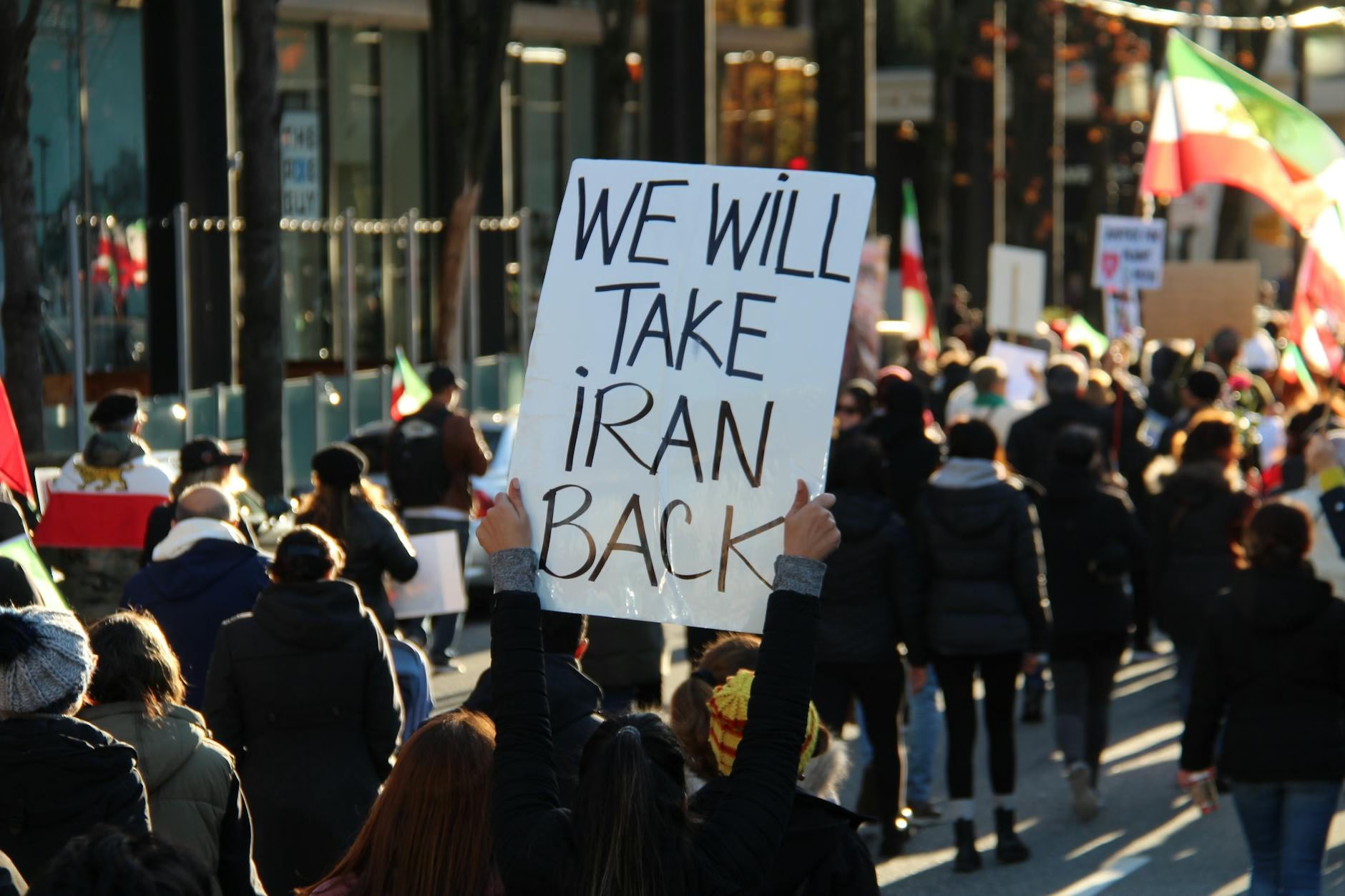
However, despite the clarity of these demands, the Iranian regime’s response has been brutal and uncompromising. The government’s violent crackdown on demonstrators not only suppresses dissent but also exacerbates the existing divide between the people and their leaders. In a climate marked by fear and repression, the citizens continue to rise against overwhelming odds, indicating a resilience and determination rooted in their collective aspiration for a more just society. While the current situation presents formidable challenges, it also underscores the potential for civil unrest to mobilize broader support for transformative change in Iran’s political landscape, as the people’s long-standing desire for reform becomes increasingly palpable.
Global Implications: The Risk of Escalation into a Wider Conflict
The recent U.S.-Israel military operation, dubbed Operation Epic Fury, has raised significant concerns about the potential for escalating tensions in the Middle East. As the involvement of Iran in regional conflicts becomes more pronounced, the implications of such a military strike extend far beyond the immediate battlefield. The reactions from global powers, particularly Russia and China, will play a crucial role in determining the trajectory of these international tensions.
Russia has consistently positioned itself as a counterweight to U.S. influence in the region, and any military engagement involving Iran has the potential to invoke a strong response from Moscow. Russia’s support for Iran could manifest through military, economic, or diplomatic channels, which may heighten resentment and resistance against Western involvement. This could trap the U.S. and its allies in a complex web of conflict, complicating the situation further and raising the specter of a proxy war.
China, meanwhile, has growing economic ties with Iran and a vested interest in maintaining stability in the energy markets. Should this situation evolve into a larger conflict, it could threaten China’s Belt and Road Initiative, potentially leading Beijing to take a more assertive stance in support of Iran, thereby amplifying the crisis on a global scale. These dynamics create a precarious scenario where a localized conflict could spiral out of control, with escalatory repercussions potentially triggering a third world war.
Given these possibilities, it is imperative to weigh military actions against diplomatic avenues aimed at de-escalation. Engaging in dialogue could provide a pathway to mitigate conflict risks and maintain a balance of power. As the situation develops, the international community must tread carefully to avoid a clash that could result in catastrophic consequences. Understanding these global ramifications is essential as we navigate an increasingly fraught geopolitical landscape.
- https://www.brookings.edu/articles/the-new-iranian-revolution-has-begun/
- https://www.nbcnews.com/world/iran/us-israel-attacks-iran-protests-nuclear-talks-rcna253784
Discover more from EAGLE HORIZON REPORT
Subscribe to get the latest posts sent to your email.